A standout piece in the British Museum’s Silk Roads exhibition is a 7th-century mural from Samarkand, a major Silk Road city. The painting reflects the vibrant cultural exchange and artistic influences that connected Asia, Europe, and Africa centuries before Marco Polo.
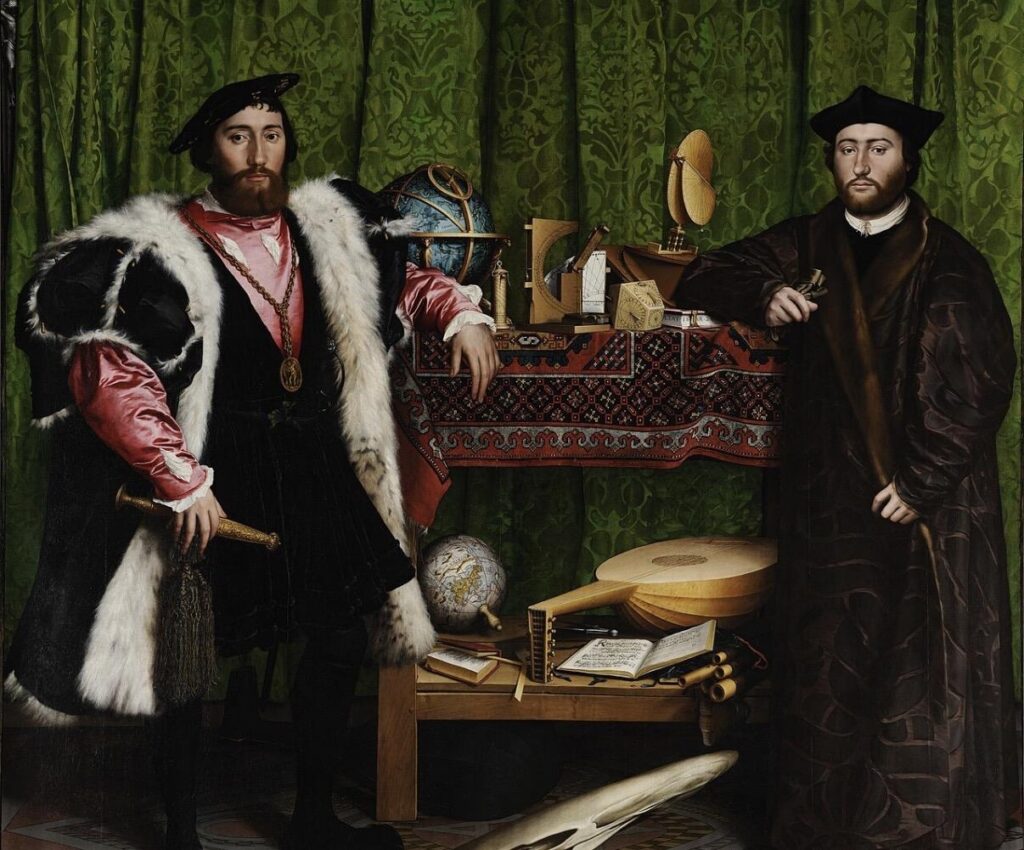
A small Buddha statue crafted in the Swat Valley of present-day Pakistan and later found in Sweden reveals the remarkable cultural exchanges enabled by the Silk Roads. Its journey across thousands of kilometres demonstrates how art, ideas, and beliefs moved between distant societies, creating connections between Asia and Northern Europe centuries before the journeys of famous travellers
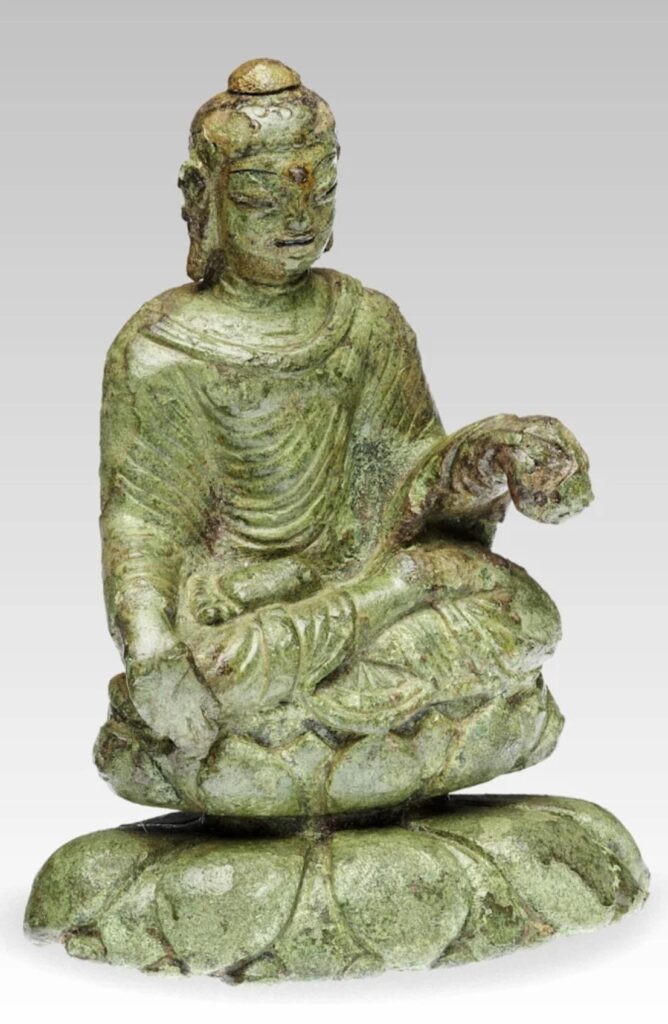
The Buddha statue reflects the main message of the exhibition: the Silk Roads were not a single route crossing deserts but a vast network of connections linking Asia, Europe, and Africa through land, sea, and river trade. Through these routes, people exchanged not only goods but also ideas, religions, artistic traditions, technologies, languages, fashions, and even diseases.
By focusing on the period between 500 and 1000 AD, the exhibition challenges the common belief that this era—often called the “Dark Ages” in Europe—was isolated and divided. Instead, it shows that societies across different continents were already interacting extensively, creating a highly connected world centuries before famous explorers such as Christopher Columbus or Marco Polo.
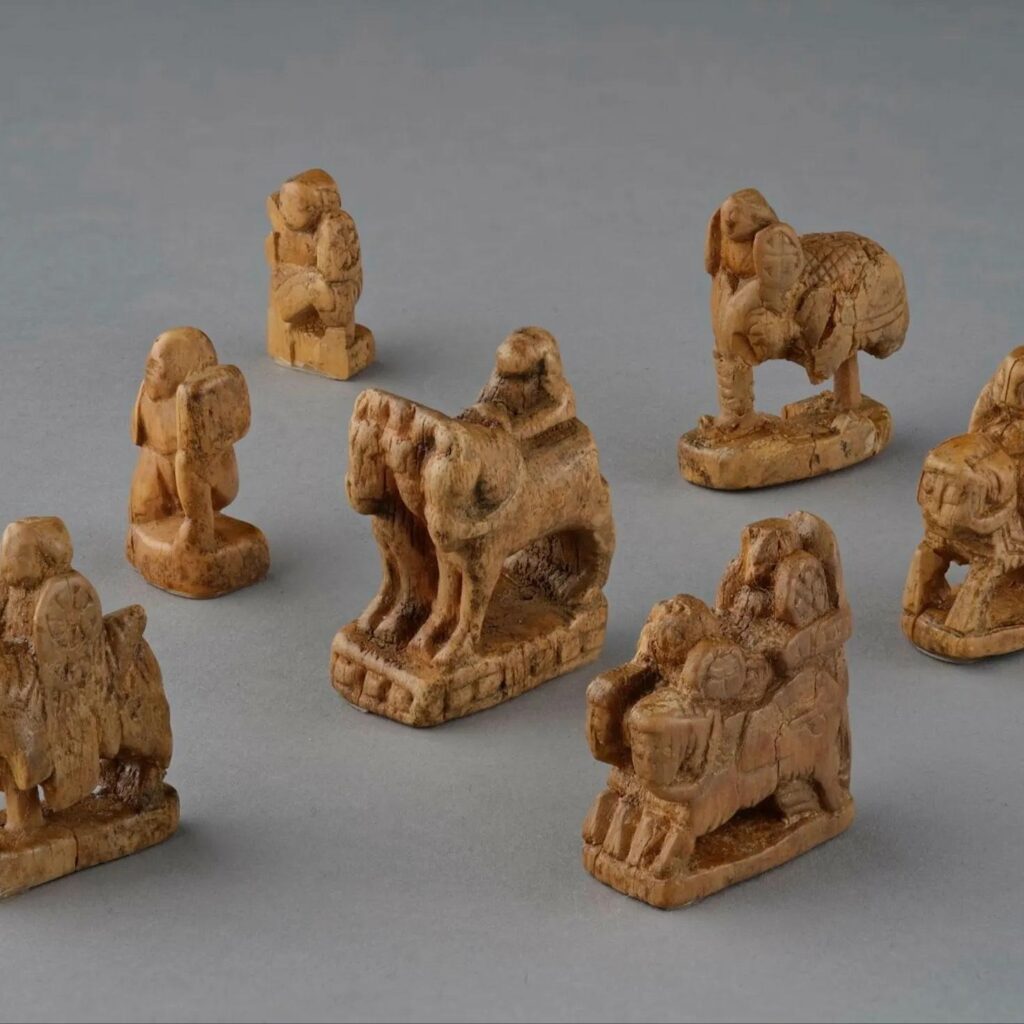
Chess Set from Samarkand
The Silk Roads were not a single route but a vast network of connections linking Europe, Africa, and Asia. Rather than being carried by one traveller across the entire distance, goods, ideas, artistic styles, technologies, religions, and cultural practices moved from region to region through many exchanges. Evidence of these interactions can be seen in objects such as chess pieces made from Indian ivory found in Central Asia, luxury goods from Southeast Asia used in Europe, and coins in England inspired by Islamic designs. These exchanges show how the Silk Roads facilitated the movement of art, knowledge, and cultural influences across continents, creating a deeply interconnected world centuries before the age of famous explorers.
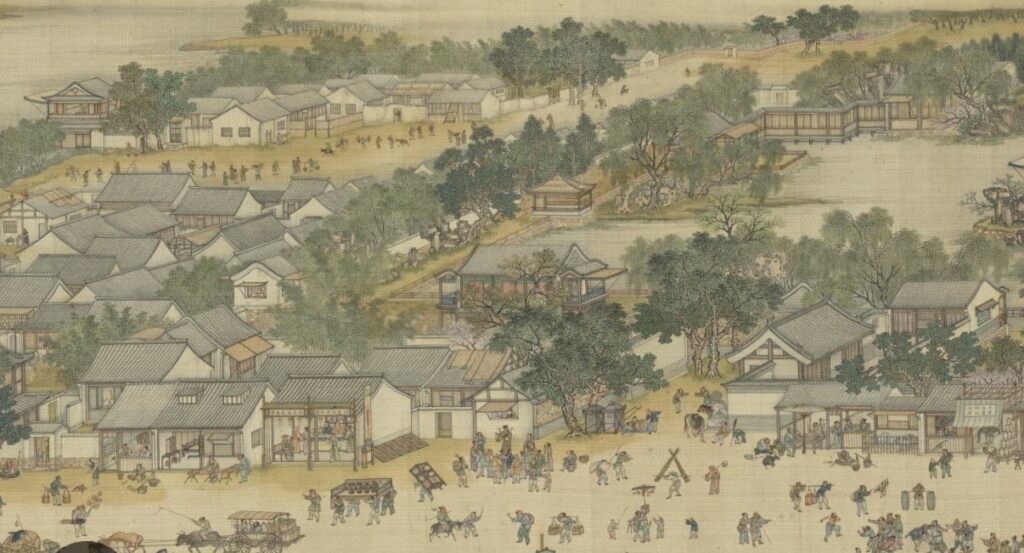
The exchange of ideas and artistic techniques was not limited to the Silk Roads. Across Asia, artisans shared materials, skills, and styles over centuries, influencing one another’s work. One important example is bronze, an alloy made from copper and tin, which was used to create both everyday objects and impressive works of art. Since tin was found in only a few regions, long-distance trade was necessary, linking communities across vast distances long before modern borders existed.
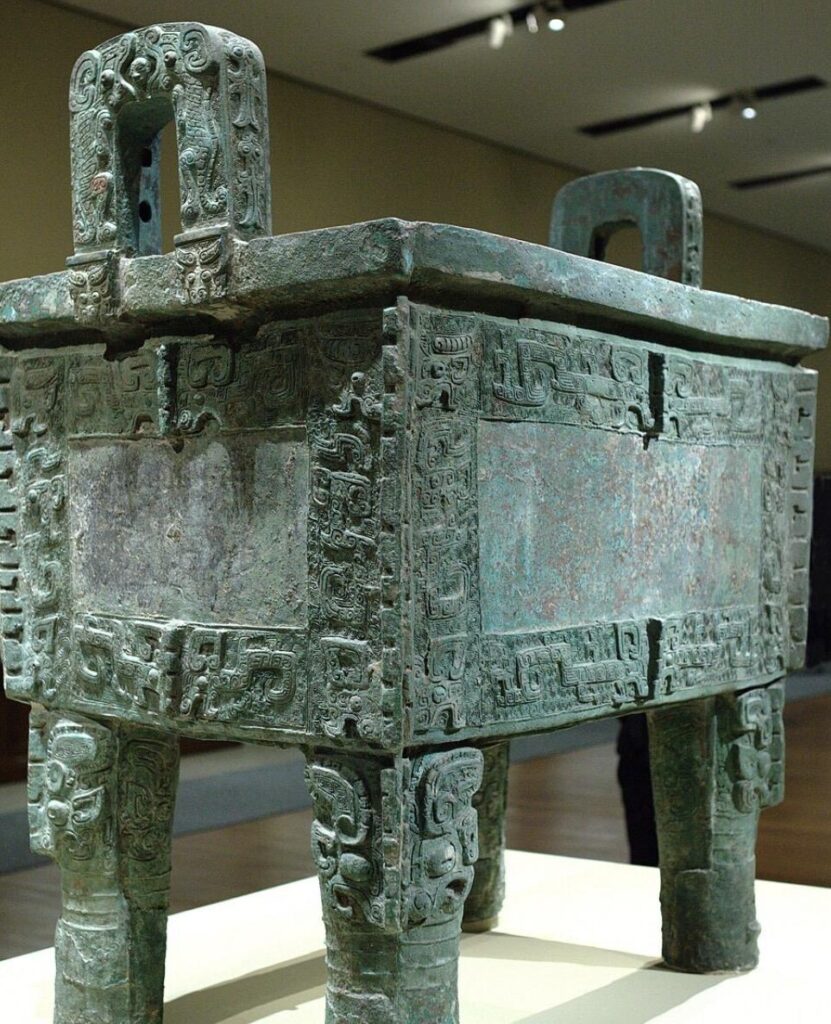
Artists also developed sophisticated techniques such as lost-wax casting, a process in which a wax model is covered with clay and then melted away to create a mould for molten metal. This method allowed craftsmen to produce highly detailed sculptures and was used across Asia for thousands of years. From the Indus Valley civilisation to South India, China, Vietnam, and Japan, bronze objects reveal how artistic knowledge was passed between generations and across regions.
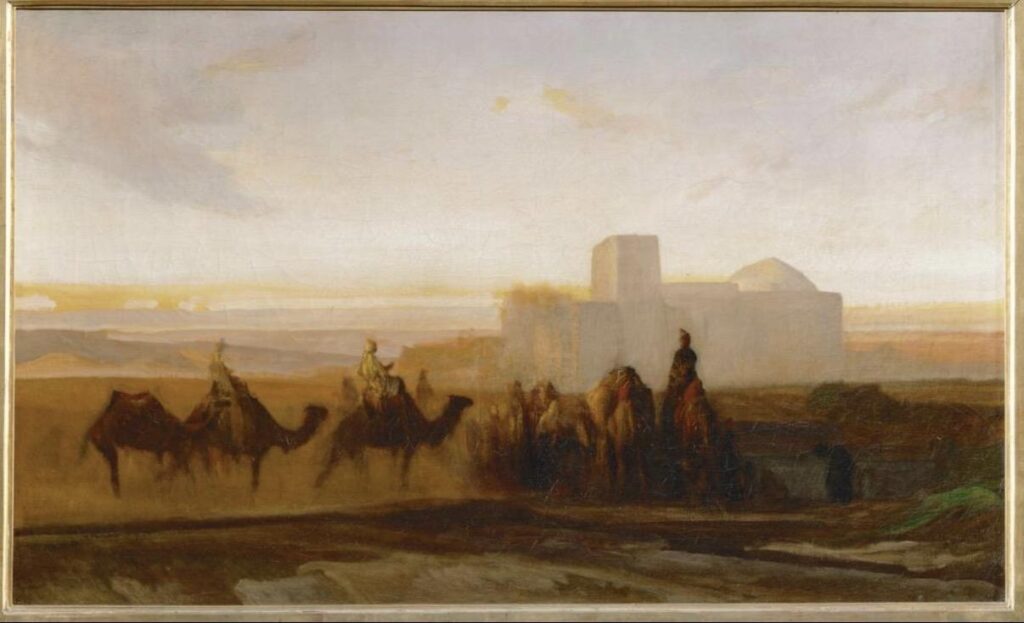
These artworks show that cultural exchange was already shaping societies long before European exploration. Through trade, movement, and interaction, artistic styles, technologies, and ideas travelled across Asia, connecting different cultures and leaving a lasting impact on the development of art.